Autoimmune Diseases Nutritionists and Dietitians in Belleville, IL
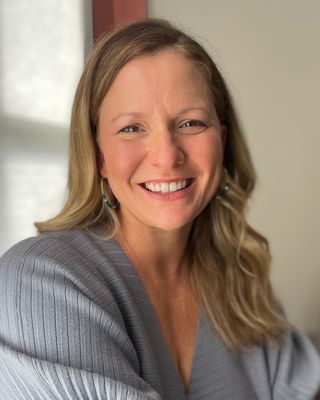
I believe every client deserves a personalized approach that honors their lived experience, health goals, and relationship with food. In a world full of conflicting nutrition advice, it’s easy to feel overwhelmed or disconnected from what your body needs. My role is to help quiet the noise and support you in building a steadier, more supportive relationship with food. Using medical nutrition therapy, nutrition lab interpretation, behavior change science, and intuitive eating principles, I help clients create practical, sustainable habits that support both physical health and emotional well-being.
I believe every client deserves a personalized approach that honors their lived experience, health goals, and relationship with food. In a world full of conflicting nutrition advice, it’s easy to feel overwhelmed or disconnected from what your body needs. My role is to help quiet the noise and support you in building a steadier, more supportive relationship with food. Using medical nutrition therapy, nutrition lab interpretation, behavior change science, and intuitive eating principles, I help clients create practical, sustainable habits that support both physical health and emotional well-being.
Autoimmune Diseases Nutritionists and Dietitians
What are autoimmune diseases?
Autoimmune conditions are diseases characterized by the over-activation of the body's immune system. There are many types of autoimmune diseases, each varying in symptoms, severity, and affected areas. Widely known autoimmune diseases include rheumatoid arthritis (RA), psoriasis, multiple sclerosis, type 1 diabetes, Addison's disease, and scleroderma. While the causes of autoimmune diseases are often unknown, many people manage their symptoms with medications (such as anti-inflammatory or immunosuppressive drugs) and lifestyle changes, such as diet and exercise modifications.
How can nutrition help with autoimmune diseases?
While there is little evidence to suggest that autoimmune conditions can be cured through diet, many individuals with autoimmune conditions may benefit from nutrition changes to reduce autoimmune symptoms. Since autoimmune conditions are characterized by high levels of inflammation, including anti-inflammatory foods in one's diet may be particularly important for those with autoimmune conditions. Foods high in omega-3 fatty acids, commonly found in fish like salmon, have been shown to reduce inflammation, as have fruits and vegetables that contain anti-inflammatory nutrients as well as fiber that can support a healthy gut microbiome.
What diet is best for autoimmune diseases?
Due to the diverse types and symptoms of autoimmune diseases, there is no single best diet for all individuals with these conditions. However, evidence suggests that certain diets can benefit specific autoimmune diseases. For instance, individuals with rheumatoid arthritis (RA) often benefit from consuming foods with anti-inflammatory properties, such as omega-3-rich fish like salmon, various fruits, and leafy vegetables. Conversely, foods that promote inflammation—such as sodas, processed meats, white flour, sugary snacks, and deep-fried items—can exacerbate RA symptoms. Keeping a dietary journal to track food intake and symptoms can help individuals with any autoimmune condition identify which foods affect their autoimmune symptoms and make necessary changes.
Does nutrition counseling work for people with autoimmune diseases?
Nutrition counseling can be highly beneficial for individuals with autoimmune diseases, especially when other symptom management strategies have not been effective. A dietitian can help clients identify foods that exacerbate their autoimmune symptoms and develop a plan to reduce or eliminate these foods while maintaining their nutritional needs. Additionally, dietitians often have specific expertise in working with clients with certain autoimmune conditions closely linked to dietary intake, such as type 1 diabetes. In these cases, dietitians may be able to provide specialized guidance and create a tailored nutrition plan for the client based on their expertise.