Women's Health Nutritionists and Dietitians in Iowa City, IA
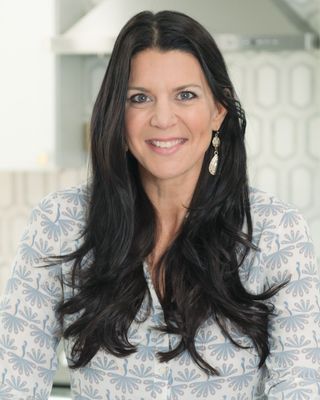
I have been a practicing Dietitian for more than 15 years, specializing in sports nutrition and functional nutrition with an emphasis in performance fueling, weight management, gut health, thyroid conditions and menopause/hormone health.
I do not believe there is a one-size-fits-all plan regarding nutrition and always take an individualized approach with my clients to develop sustainable habits around both nutrition and lifestyle aimed specifically toward reaching their individual goals.
I have been a practicing Dietitian for more than 15 years, specializing in sports nutrition and functional nutrition with an emphasis in performance fueling, weight management, gut health, thyroid conditions and menopause/hormone health.
I do not believe there is a one-size-fits-all plan regarding nutrition and always take an individualized approach with my clients to develop sustainable habits around both nutrition and lifestyle aimed specifically toward reaching their individual goals.

Kristina (she/her) is a Registered Dietitian and Certified Intuitive Eating Counselor who has dedicated her life to helping individuals who are healing their relationship with food and body. Her expertise expands to helping individuals recovering from eating disorders, disordered eating, chronic dieting and co-occurring mood disorders. Kristina believes in weight inclusive care, anti-diet approach and Health at Every Size. Kristina strives to create a safe environment for growth and healing by utilizing trauma informed principles. Kristina approaches health from emotional, physical, and mental well being.
Kristina (she/her) is a Registered Dietitian and Certified Intuitive Eating Counselor who has dedicated her life to helping individuals who are healing their relationship with food and body. Her expertise expands to helping individuals recovering from eating disorders, disordered eating, chronic dieting and co-occurring mood disorders. Kristina believes in weight inclusive care, anti-diet approach and Health at Every Size. Kristina strives to create a safe environment for growth and healing by utilizing trauma informed principles. Kristina approaches health from emotional, physical, and mental well being.
Women's Health Nutritionists and Dietitians
How does diet affect women's health?
Diet significantly impacts women's health, and their nutritional needs can differ from those of men in both quantity and content. Generally, women require fewer calories than men, but these needs can vary greatly depending on age and activity level, with younger and more active women needing more calories than older, less active women. Additionally, certain nutrients are especially important for women; such nutrients include calcium for bone health, iron for blood health, and folic acid for reproductive health and metabolism. A diet rich in these nutrients is essential for overall well-being for women and a diet rich in such foods ensures that daily requirements are being met.
What foods are most important for women?
The most important foods for women can vary depending on their age and life stage. For instance, older women at risk of or diagnosed with osteoporosis may need higher levels of calcium and vitamin D, which are found in dairy products, fish, and leafy vegetables. Younger women in their teenage and child-bearing years require more iron than older women and many men, which can be found in many nuts, seeds, dark leafy vegetables, fortified cereals, tofu, and red meat. Adult women also have specific dietary needs before pregnancy and during the postpartum period. During this time, nutrients like folic acid, found in foods such as beans, eggs, spinach, and brussel sprouts, become very important, along with ensuring adequate protein intake. Additionally, many nutrition experts emphasize the importance of fiber in women's health. Fiber, found in whole grain products, beans, berries, leafy vegetables, nuts, and fortified cereals, is essential for maintaining digestive health and overall well-being for women.
What is the link between diet and hormonal health?
Diet and hormonal health are closely linked because essential nutrients often play a key role in the production and regulation of hormones. For women's health, where hormones significantly impact development, menstruation, and pregnancy, a diet that supports hormonal balance is particularly important. In addition, women with specific reproductive concerns, such as infertility or polycystic ovary syndrome (PCOS), may benefit from dietary modification to improve their chances of pregnancy or reduce symptoms. For instance, many women with PCOS will increase their consumption of healthy fats and reduce their consumption of high-sugar or high-glycemic foods. Beyond reproductive health, a balanced diet supports overall hormonal health by regulating metabolism-related hormones like insulin and hunger-related hormones like leptin.
Why should women see a dietitian?
Many women can benefit significantly from consulting a dietitian to ensure they're meeting their dietary needs in both quality and quantity. This is especially true for women diagnosed with specific nutrition-related conditions like osteoporosis or type 2 diabetes, as well as those who haven't been able to manage a medical condition with traditional medical treatments. Dietitians specializing in women's health can offer valuable insights into foods that support specific conditions related to women's health, such as reducing osteoporosis in older women. They can also provide essential guidance for pregnant or breastfeeding women, or those planning to become pregnant, ensuring they consume the right nutrients for hormonal health during these periods.