Postpartum Nutrition Nutritionists and Dietitians in 32566
You may be feeling overwhelmed by nutrition advice, frustrated by past attempts that didn’t last, or unsure how to improve your health in a way that fits your lifestyle. You want clear, practical guidance—not restrictive rules—and support that supports your medical needs, lifestyle, and personal goals. You’re looking for sustainable change, better health, and a plan that finally feels achievable.
You may be feeling overwhelmed by nutrition advice, frustrated by past attempts that didn’t last, or unsure how to improve your health in a way that fits your lifestyle. You want clear, practical guidance—not restrictive rules—and support that supports your medical needs, lifestyle, and personal goals. You’re looking for sustainable change, better health, and a plan that finally feels achievable.
More Dietitians and Nutritionists Nearby

When I work with clients, I like to think that I offer a compassionate and non judgmental environment where we can explore what individual goals might look like and discover barriers to getting there. I focus on building confidence and comfortability at the eating experience instead of fear and anxiety. I use an anti diet, HAES aligned approach. If I help clients learn one thing, I hope that it might be: Fear has no place at the dinner table anymore!
When I work with clients, I like to think that I offer a compassionate and non judgmental environment where we can explore what individual goals might look like and discover barriers to getting there. I focus on building confidence and comfortability at the eating experience instead of fear and anxiety. I use an anti diet, HAES aligned approach. If I help clients learn one thing, I hope that it might be: Fear has no place at the dinner table anymore!
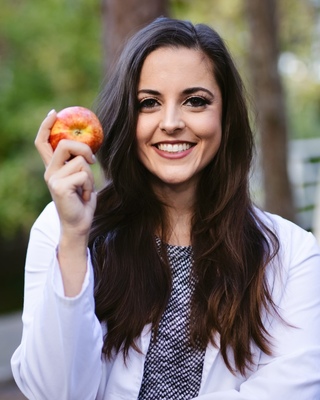
NuSparkle Nutrition is the dietitian nutritionist practice of Emily Conyers.
Emily provides nutrition education & counseling for people with chronic kidney disease and people seeking help with weight management (losing or gaining weight).
Emily is a Board Certified Specialist in Renal Nutrition through the Commission on Dietetic Registration.
Emily's goal is to help these individuals optimize their nutrition without feeling restricted, enabling them to improve their strength and gain confidence in their eating habits.
NuSparkle Nutrition is the dietitian nutritionist practice of Emily Conyers.
Emily provides nutrition education & counseling for people with chronic kidney disease and people seeking help with weight management (losing or gaining weight).
Emily is a Board Certified Specialist in Renal Nutrition through the Commission on Dietetic Registration.
Emily's goal is to help these individuals optimize their nutrition without feeling restricted, enabling them to improve their strength and gain confidence in their eating habits.
Postpartum Nutrition Nutritionists and Dietitians
What is postpartum nutrition?
Postpartum nutrition refers to the dietary practices and consumption of specific foods during the postpartum period, when the mother is recovering from childbirth and breastfeeding. Proper nutrition during this time is essential and can help replenish nutrients lost during childbirth, aid in healing, and ensure an adequate milk supply for the baby. Nutrition professionals specializing in postpartum nutrition can provide personalized consultation, helping new mothers identify the best foods for recovery and breastfeeding. They can also offer practical advice on adjusting eating habits to fit into the new routine of caring for a newborn.
Why is nutrition important during the postpartum period?
A healthy and balanced diet during the postpartum period is essential for both recovery from childbirth and supporting breastfeeding. Consuming a variety of nutrient-rich foods, such as whole grains, lean proteins, fruits, vegetables, and healthy fats, is crucial during this time. Additionally, breastfeeding women burn an extra 300-500 calories per day on average, so it’s important for them to consume enough calories to meet this increased demand. Key nutrients such as iodine, choline, and iron are particularly important during the postpartum period, as they play vital roles in maternal health and infant development. To ensure all nutrient requirements are met, doctors may recommend dietary supplements to help women get enough essential nutrients during the postpartum period.
What foods should I avoid postpartum?
Nutrition experts generally advise women to avoid alcohol, caffeine, and high-sugar foods during the postpartum period. It's also recommended that postpartum mothers avoid foods that may contain high levels of harmful chemicals, such as certain fish like mackerel, swordfish, and tuna, which can contain high mercury levels that may negatively affect a newborn's development if passed through breastmilk. Additionally, foods with strong smells and flavors, such as garlic, are often discouraged as they may cause the baby to reject breastfeeding due to taste preferences.
What diet is best for breastfeeding mothers?
For breastfeeding mothers, a well-rounded and nutritious diet is essential to support both the mother's health and the baby's growth and development. In general, it is recommended that breastfeeding mother's focus on consuming a balanced diet that contains whole grains, vegetables, fruits, healthy fats, and lean protein sources. In particular, ensuring that one is getting enough protein can be critical to ensuring sufficient breast milk supply. Sources of such protein include dairy products, lean meats, eggs, nuts and seeds, and beans. Additionally, certain fish that are low in mercury, like salmon, bluefish, and bass, are particularly beneficial, as they provide omega-3 fatty acids, including docosahexaenoic acid (DHA), which supports healthy infant brain development.