Mindful Eating Nutritionists and Dietitians in 31406
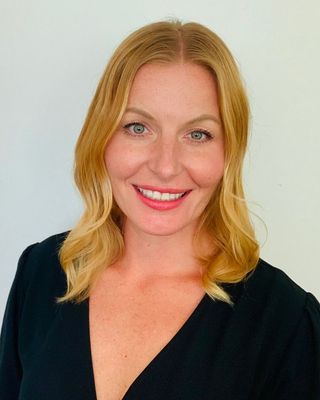
In person or Telehealth sessions accepted! Do you want to lose weight, eat healthier, or just feel better? Are you struggling with managing your blood sugar, blood pressure, or cholesterol? You’re not alone and I’m here to help! I’m passionate about guiding people of all shapes and sizes to feel more confident with food, exercise, and their bodies - freeing them from the cycle of chronic dieting and restrictive eating.
In person or Telehealth sessions accepted! Do you want to lose weight, eat healthier, or just feel better? Are you struggling with managing your blood sugar, blood pressure, or cholesterol? You’re not alone and I’m here to help! I’m passionate about guiding people of all shapes and sizes to feel more confident with food, exercise, and their bodies - freeing them from the cycle of chronic dieting and restrictive eating.
More Dietitians and Nutritionists Nearby
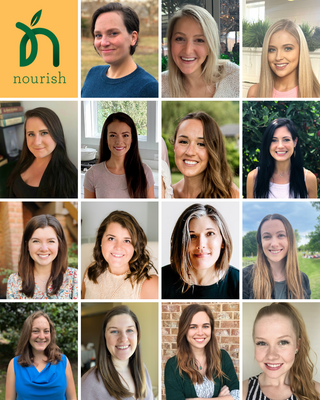
At Nourish, we don’t lecture, body shame, or give clients generic nutrition plans. Our caring professionals help each individual achieve and maintain optimal health and a positive body image through collaborative goal setting, tailored, science-based nutrition plans, and other industry best practices. Tired of bouncing from diet to diet and Googling nutrition advice? Quick fixes aren’t long-term solutions. You’ll achieve and maintain your goals with our personalized, sustainable nutrition plans. One size doesn’t fit all when it comes to nutrition counseling.
At Nourish, we don’t lecture, body shame, or give clients generic nutrition plans. Our caring professionals help each individual achieve and maintain optimal health and a positive body image through collaborative goal setting, tailored, science-based nutrition plans, and other industry best practices. Tired of bouncing from diet to diet and Googling nutrition advice? Quick fixes aren’t long-term solutions. You’ll achieve and maintain your goals with our personalized, sustainable nutrition plans. One size doesn’t fit all when it comes to nutrition counseling.
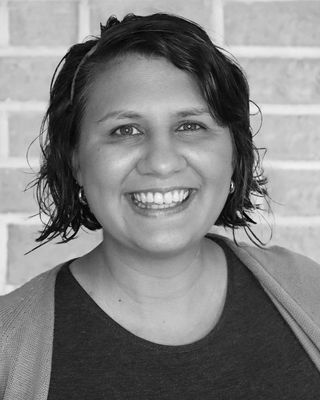
I’m excited to serve the Savannah community as part of the Nutrition HealthWorks team. As a Registered Dietitian, I help children, teens, and adults build balanced, positive relationships with food through an individualized and evidence-based approach.
My areas of focus include pediatric nutrition, weight management, women’s health, and family wellness. With experience in pediatric feeding and neonatal nutrition, I understand the unique challenges families face and strive to make nutrition feel realistic, supportive, and empowering.
I’m excited to serve the Savannah community as part of the Nutrition HealthWorks team. As a Registered Dietitian, I help children, teens, and adults build balanced, positive relationships with food through an individualized and evidence-based approach.
My areas of focus include pediatric nutrition, weight management, women’s health, and family wellness. With experience in pediatric feeding and neonatal nutrition, I understand the unique challenges families face and strive to make nutrition feel realistic, supportive, and empowering.
Mindful Eating Nutritionists and Dietitians
What is mindful eating?
Mindful eating is a practice that encourages individuals to be fully present and attentive while eating, focusing on the experience of each meal. It involves paying close attention to hunger, fullness, and satiety cues from the body, as well as being aware of the emotional factors influencing food choices and cravings. Unlike strict dietary rules, mindful eating promotes a nonjudgmental approach, emphasizing the sensory experience of eating and personal food preferences. By fostering greater awareness of how food affects both physical and emotional states, mindful eating helps individuals develop a healthier and more balanced relationship with food.
Who should practice mindful eating?
Mindful eating can benefit anyone looking to improve their relationship with food and enhance their awareness of how food impacts their body and mind. It is especially valuable for individuals experiencing food-related anxiety, such as those with eating disorders or other forms of food-related stress. Additionally, mindful eating can be helpful for those who frequently overeat or struggle to recognize their body's fullness cues. By fostering a greater connection with the sensory experience of eating and promoting awareness of hunger and satiety, mindful eating can aid in reducing overeating and cultivating a more balanced approach to food.
What are the benefits of mindful eating?
Mindful eating offers a range of benefits. For individuals with eating disorders or anxiety-related conditions, it can reduce stress and judgment surrounding food by fostering a non-judgmental and accepting approach to eating. Mindful eating is often taught alongside other self-acceptance practices and holistic nutritional approaches that emphasize overall wellbeing rather than weight or dieting. This combination can be particularly supportive in the recovery from food-related mental health issues. Additionally, mindful eating helps individuals better understand and respond to their body's hunger and fullness cues. While weight loss is not the primary goal of mindful eating, some individuals may experience weight reduction as a secondary benefit, particularly those who tend to overeat or ignore their body's signals. This can lead to improved health outcomes, such as better cardiovascular health.
How can a dietitian help with mindful eating?
A dietitian can help with mindful eating by working with the client to align their nutrition-related goals with mindful approaches. They often begin with a nutritional assessment to establish what the client's current approach to food is, including how food may be causing stress or disturbances in their life. Then, a dietitian will work with the client on how to implement mindful eating approaches, such as pausing before meals to assess hunger or keeping a journal to record how food consumption impacts their thoughts and emotions. Dietitians can also help clients reduce the self-judgment they may have around food and help clients practice self-acceptance and forgiveness as they work toward more mindful eating practices.