Heart Health Nutritionists and Dietitians in 31406

In person or Telehealth sessions accepted! Do you want to lose weight, eat healthier, or just feel better? Are you struggling with managing your blood sugar, blood pressure, or cholesterol? You’re not alone and I’m here to help! I’m passionate about guiding people of all shapes and sizes to feel more confident with food, exercise, and their bodies - freeing them from the cycle of chronic dieting and restrictive eating.
In person or Telehealth sessions accepted! Do you want to lose weight, eat healthier, or just feel better? Are you struggling with managing your blood sugar, blood pressure, or cholesterol? You’re not alone and I’m here to help! I’m passionate about guiding people of all shapes and sizes to feel more confident with food, exercise, and their bodies - freeing them from the cycle of chronic dieting and restrictive eating.
More Dietitians and Nutritionists Nearby
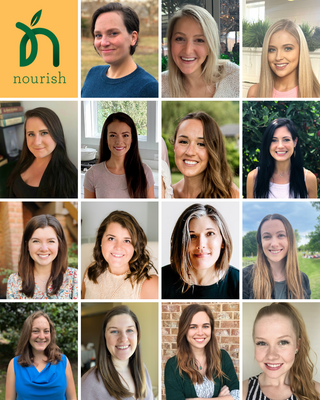
At Nourish, we don’t lecture, body shame, or give clients generic nutrition plans. Our caring professionals help each individual achieve and maintain optimal health and a positive body image through collaborative goal setting, tailored, science-based nutrition plans, and other industry best practices. Tired of bouncing from diet to diet and Googling nutrition advice? Quick fixes aren’t long-term solutions. You’ll achieve and maintain your goals with our personalized, sustainable nutrition plans. One size doesn’t fit all when it comes to nutrition counseling.
At Nourish, we don’t lecture, body shame, or give clients generic nutrition plans. Our caring professionals help each individual achieve and maintain optimal health and a positive body image through collaborative goal setting, tailored, science-based nutrition plans, and other industry best practices. Tired of bouncing from diet to diet and Googling nutrition advice? Quick fixes aren’t long-term solutions. You’ll achieve and maintain your goals with our personalized, sustainable nutrition plans. One size doesn’t fit all when it comes to nutrition counseling.

Kasey Strouse (she/her) is a Registered Dietitian and Certified Eating Disorder Specialist. Kasey specializes in working with adolescents, college students, young adults, and families. She specializes in working with clients recovering from eating disorders, disordered eating, intuitive eating, family nutrition, and takes a non-diet approach with all clients.
Kasey Strouse (she/her) is a Registered Dietitian and Certified Eating Disorder Specialist. Kasey specializes in working with adolescents, college students, young adults, and families. She specializes in working with clients recovering from eating disorders, disordered eating, intuitive eating, family nutrition, and takes a non-diet approach with all clients.

I’m excited to serve the Savannah community as part of the Nutrition HealthWorks team. As a Registered Dietitian, I help children, teens, and adults build balanced, positive relationships with food through an individualized and evidence-based approach.
My areas of focus include pediatric nutrition, weight management, women’s health, and family wellness. With experience in pediatric feeding and neonatal nutrition, I understand the unique challenges families face and strive to make nutrition feel realistic, supportive, and empowering.
I’m excited to serve the Savannah community as part of the Nutrition HealthWorks team. As a Registered Dietitian, I help children, teens, and adults build balanced, positive relationships with food through an individualized and evidence-based approach.
My areas of focus include pediatric nutrition, weight management, women’s health, and family wellness. With experience in pediatric feeding and neonatal nutrition, I understand the unique challenges families face and strive to make nutrition feel realistic, supportive, and empowering.
Heart Health Nutritionists and Dietitians
How does nutrition affect heart health?
Nutrition plays a significant role in heart health, affecting conditions such as heart disease, high blood pressure, and high cholesterol. Consuming too much saturated and trans fats can raise "bad" cholesterol levels, potentially leading to clogged arteries and heart disease. In addition, high-sugar and refined carb foods, common in the American diet, are often high in calories but low in nutrients. Abundant consumption of such foods can lead to conditions such as weight gain and diabetes, which put extra strain on the heart. Excess sodium intake is yet another dietary component that can impact heart health. Consumption of too much sodium can raise blood pressure, making the heart work harder. Conversely, eating plenty of fruits, vegetables, whole grains, lean proteins, and healthy fats helps support heart health through the maintenance of healthy cholesterol levels and the reduction of inflammation.
What diet is best for heart health?
In general, experts recommend a plant-based diet high in fiber, healthy fats, and lean protein as the best nutrition approach to a heart healthy diet. The "Mediterranean diet," characterized by the consumption of lots of healthy fats, vegetables, beans, and whole grains is one common diet with abundant evidence supporting its efficacy in reducing blood cholesterol levels and preventing cardiovascular and metabolic diseases. The Dietary Approaches to Stop Hypertension (DASH) diet is another common diet shown to reduce blood pressure and positively impact heart health; the DASH diet emphasizes the consumption of fruits, vegetables, whole grains, and low fat dairy products with a particular focus on reducing the consumption of saturated fats. Conversely, diets that include the consumption of large amounts of protein and fats—such as the keto diet and atkins diet—are generally not recommended for those with heart conditions or high cholesterol levels due to the high levels of saturated and trans fats such diets can include.
What foods increase one's risk of heart disease?
Foods high in saturated and trans fats, such as fatty meats, cream, butter, and pastries, can have a very negative impact on heart health. In addition, sweets, high-sugar drinks, and refined carbohydrates like white bread and pasta are usually good to avoid in order to positively impact heart health. Replacing saturated fats with unsaturated fat alternatives, such as consuming lean fish high in omega-3 fatty acids instead of red meat, is often a good strategy, as is replacing highly-processed and sugar-rich foods with alternative carbohydrates, such as fruits, vegetables, and whole grains.
Why should someone with heart disease see a dietitian?
Dietitians are specifically trained to use diet modifications to manage health, so individuals with heart disease may greatly benefit from seeing a dietitian to improve their cardiac health. Dietitians can help clients identify foods that support heart health, such as whole grains, as well as help clients eliminate foods that can place a strain on the heart when consumed in large quantities over time, such as saturated and trans fats. Dietitians can also help hold clients accountable for their nutrition and provide resources for other lifestyle modifications that support heart health, such as exercise, smoking cessation, and alcohol consumption reduction. Additionally, dietitians can assist in managing other chronic diseases often associated with heart disease, such as kidney conditions or diabetes.